
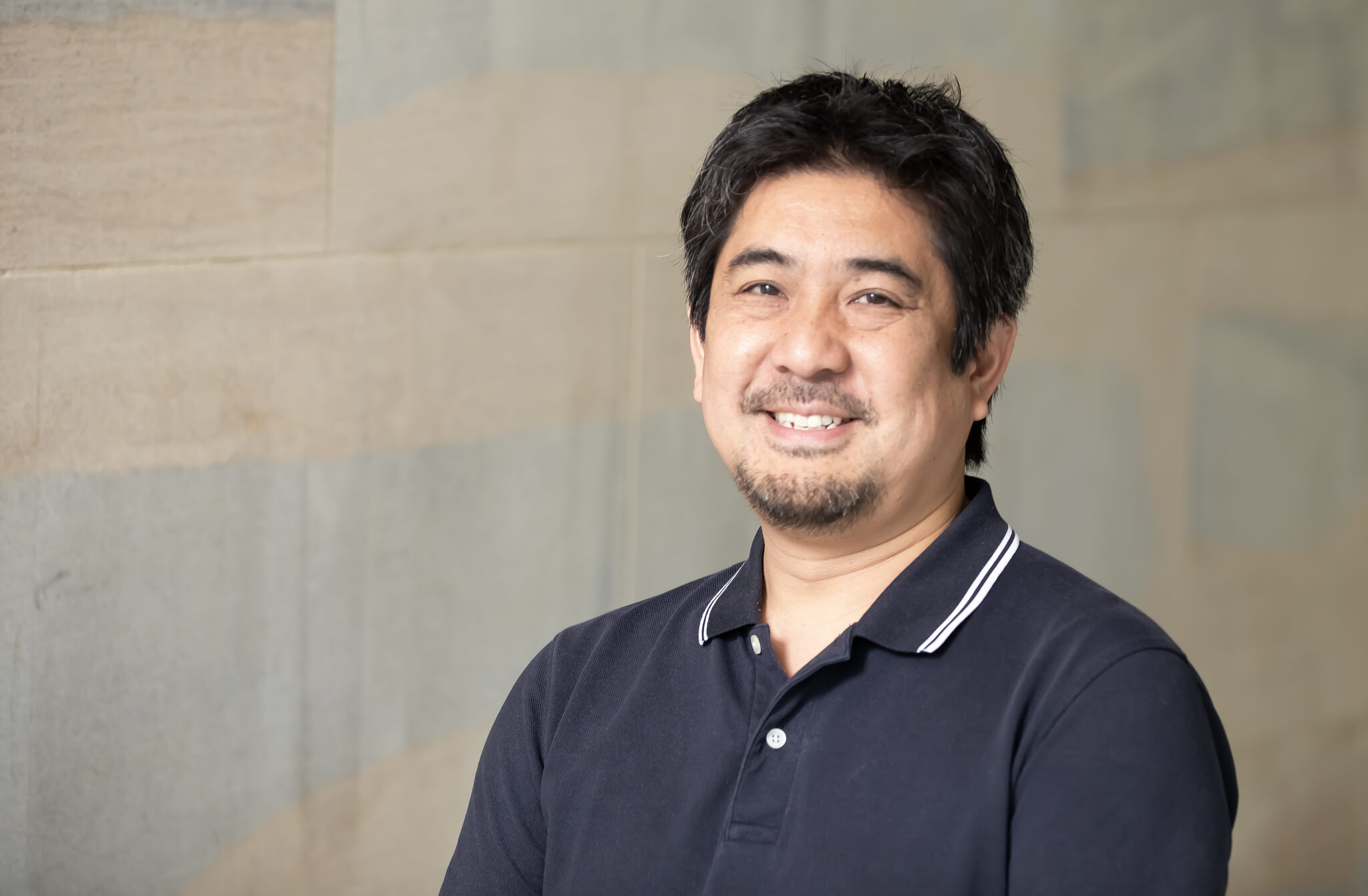
Dr. Yamaguchi is an expert in cognitive psychology and neuroscience. He obtained a PhD in cognitive psychology from Purdue University and worked as a postdoctoral scholar at Vanderbilt University. He moved to Edge Hill University in 2013 as a Lecturer (Assistant Professor) and then to the current post at the University of Essex in 2019 as a Senior Lecturer (Associate Professor) in Psychology. He has published more than 50 journal articles on various topics in human cognition, such as cognitive control, visual attention, transfer of perceptual-motor learning, acquisition of highly trained skills (e.g., typewriting), implicit biases, and computational modelling. He also worked on applied and interdisciplinary research, such as human-interface design (e.g., aircraft cockpit display), machine learning, human-robot interaction (uncanny valley effect), and brain-computer interface.
Judit Gervain is a Full Professor of Developmental Psychology, University of Padua, Italy and a Senior Research Scientist, CNRS, France. Her research focuses early speech perception and language acquisition in typically and atypically developing infants. Her work is published in leading journals, such as Science Advances, Nature Communications, PNAS, Current Biology. She is an associate editor at Developmental Science, Annual Reviews of Developmental Psychology and Neurophotonics. Since 2024, she has been serving as the President elect of the International Society for Near-Infrared Spectroscopy.

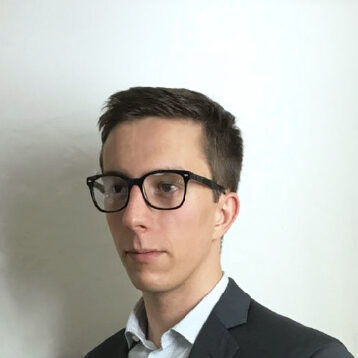
Dr. Giuseppe Di Dona is a researcher in Psychology and Cognitive Neuroscience at the Department of Psychology and Cognitive Science at the University of Trento (Italy) where he obtained his PhD. His research interests cover vision, reading, speech perception and related neurodevelopmental disorders as well as non-invasive transcranial electrical brain stimulation. He is currently working on different government-funded research projects in the Brain Dynamics and Cognition Lab (https://www.bdaclab.com/) on the neurophysiological correlates of predictive processes in visual perception along the autism-schizophrenia continuum, with a special focus on oscillatory and aperiodic EEG dynamics.
Jessica Gemignani is a post-doctoral researcher at University of Padova, Department of Developmental Psychology and Socialisation, Italy. Her research involves the use of functional Near-Infrared Spectroscopy (fNIRS) to study functional brain activity, and in particular its applications in the study of early mechanisms of language acquisition. Her work is also focused on the development and validation of tools and methods for the analysis of data collected on newborns and young infants, including the design of novel data-driven strategies based on machine-learning algorithms to further the multimodal integration of fNIRS with other modalities, e.g EEG.


Luisa Sartori is Associate Professor at University of Padova, Department of General Psychology. Her main research interest is the neural basis of motor control, with a strong focus on interpersonal synchronization.
Elisa is a Postdoctoral Researcher at the Department of General Psychology, University of Padova. Her research investigates human motor control through 3-D motion analysis, with a focus on emotional expressions and human-technology interaction.


His activity research deals with human neurophysiology with a specific interest in the sensorimotor integration, in the organization of the descending control of spinal reflexes and posture, voluntary movements, neuroplasticity, motor and cognitive rehabilitation. Such investigations have employed various experimental techniques (muscle and nerve electrophysiology, transcranial magnetic stimulation, magnetic resonance imaging, functional infrared spectroscopy imaging and movement analysis techniques) and involved both healthy subjects, sport athletes and neurological patients (Parkinson, dystonia and multiple sclerosis).
Eva Krumhuber is Professor of Affective Science at University College London, where she directs the Facial Emotion Lab. Her research examines the socio-cognitive and affective processes that shape how we perceive, interpret, and respond to faces. A central focus of her work is understanding how dynamic facial movements convey emotions and influence judgments about others, including impressions of trustworthiness, authenticity, and intent. She investigates the differences between posed and spontaneous facial expressions and explores how authenticity, context, and movement patterns affect emotion recognition and social decision-making. Her research also addresses the reliability of specific facial cues (e.g., Duchenne smile) as markers of genuine emotion, challenging assumptions about universal emotional expressions.


I am a Senior Scientist in the Department of Psychology, working in the Neuropsychology - Neuroimaging section at the University of Graz. One of my primary scientific interests is the development and evaluation of innovative technological tools for neuropsychological rehabilitation. My work involves the use of virtual reality, brain-computer interfaces (BCI), and neurofeedback, among other approaches. It is important to me not only to explore the potential applications of these digital technologies but also to critically assess their limitations.
I am an Assistant Professor (RTT) in Statistics (SSD: STAT-01/A) at the Department of Economics and Management, University of Trento. I earned my Ph.D. in Statistical Sciences at the University of Padova under the supervision of Professor Livio Finos, where I focused on statistical methods for analyzing neuroscience data. My research bridges statistics with fields like social sciences, health sciences, psychology, neuroscience, and medicine to advance both domains. For that, I am a member of the Psicostat group at the University of Padova, a GBD (Italian division) collaborator, and a Research Fellow within the Age-it and Planet4Health projects. My expertise focuses on high-dimensional data analysis, including dimension reduction techniques, statistical shape analysis, permutation tests, multiple testing, and selective inference.

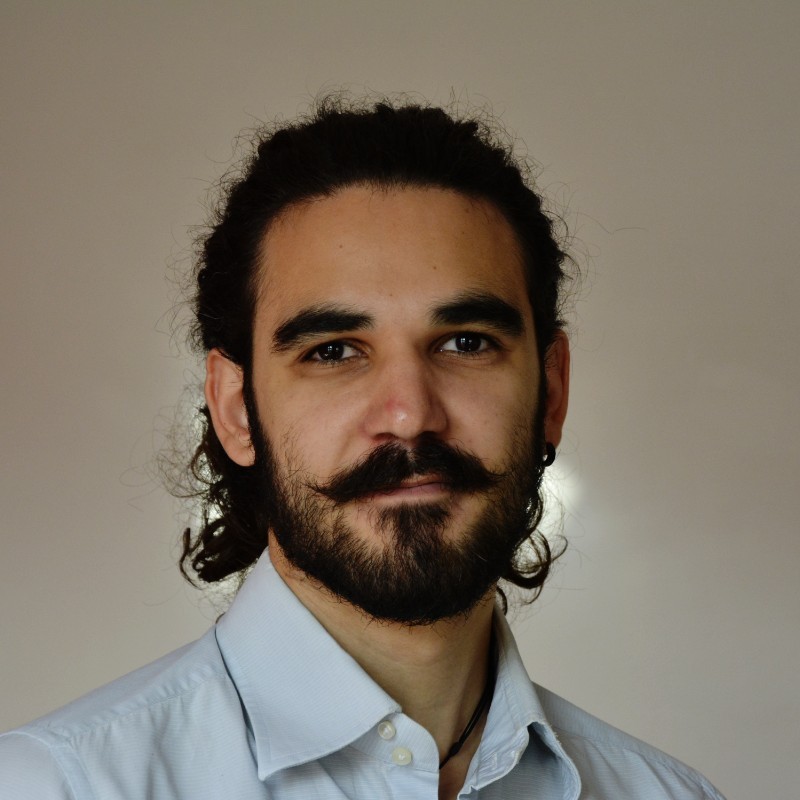
Giacomo Loreggia is a graduate in ICT for Internet and Multimedia and works as a teacher in Informatics and Telecommunications. He previously worked as a researcher, collaborating closely with bioengineers in the Department of Information Engineering in the University of Padua, practicing database design and web development skills applied to medical neuroimaging data.
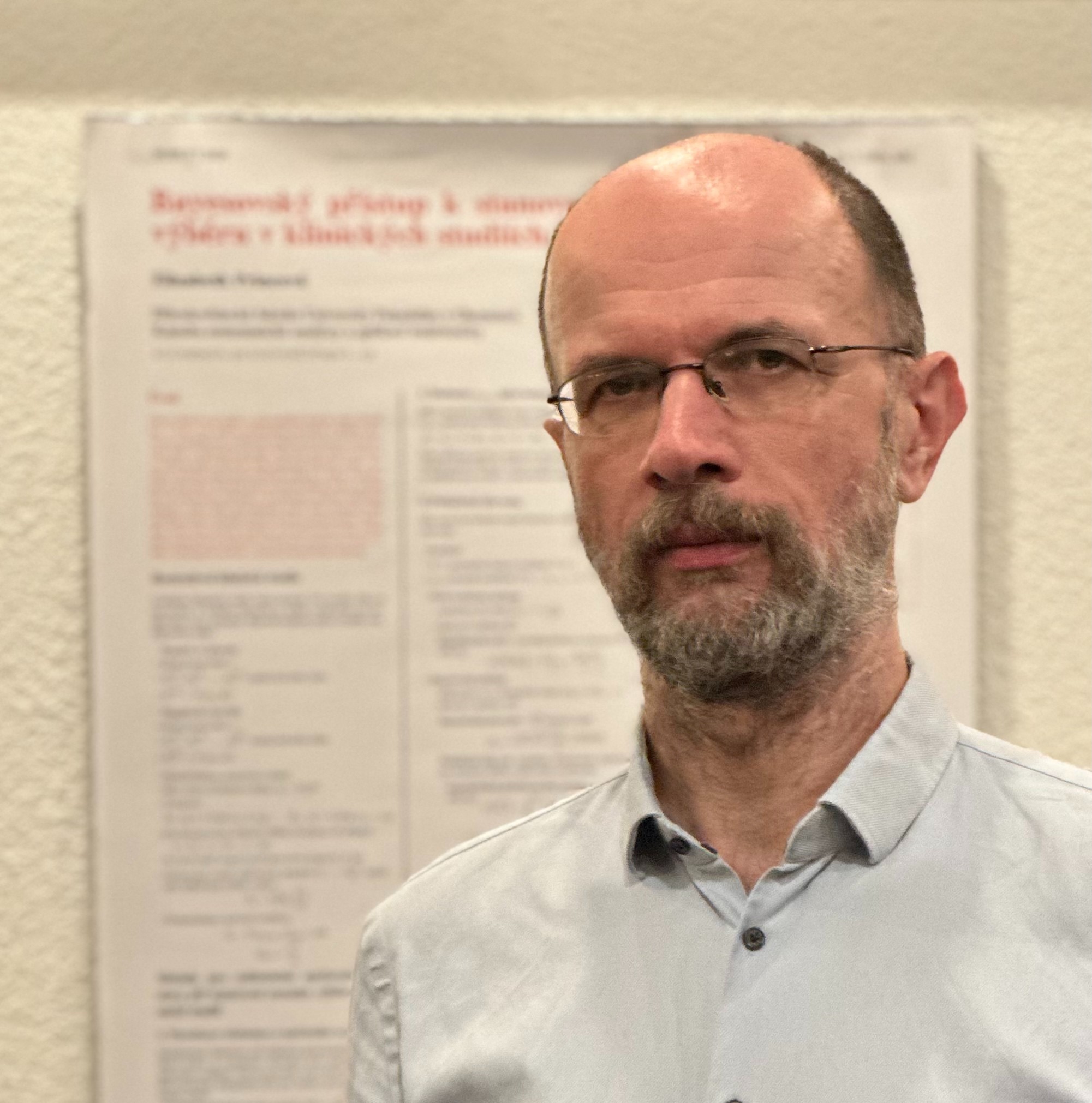

Alessandro Meneghini is a Postdoctoral Research Fellow at the University of Udine, working on quantitative analysis of social media data within a Horizon Europe project on disaster and health emergency preparedness. His work focuses on multilingual text analytics employing BERT-based models. Alongside his academic role, he has been a consultant since 2014, supporting nonprofit and for-profit organizations in project development, strategic management, and monitoring and evaluation. He holds a PhD in Social Sciences from the University of Padua, has presented his work at international conferences, and teaches research methods and text analysis through university courses and workshops.
Livio Finos is Full Professor in Statistics at the University of Padova since 2023. He received his M.S. in Demographic Statistics and Statistics for the Social Sciences (2000) and his Ph.D. in Statistics (2004) from the same University. From 2004 to 2008 he was Post-Doc Researcher at the University of Padova, Ferrara, Rome and Leiden (NL). He has been Assistant professor in Statistics at the University of Padova, from 2009 until 2014. From 2014 to 2022, he has been Associate Professor of Psychometrics at the same university. His expertise is on nonparametric statistical methods for inference, specially multivariate permutations tests and multiple testing. The application fields range from neuroscience to behavioral psychology, from the biostatistics to ecology, from text mining to big (web) data.
He has co-authored over more than 90 international, peer-reviewed journal papers and has authored several packages for the statistical software R.
He is co-founder and vice-president of bee-viva (www.datachallenge.it), established as spinoff of the University of Padova.

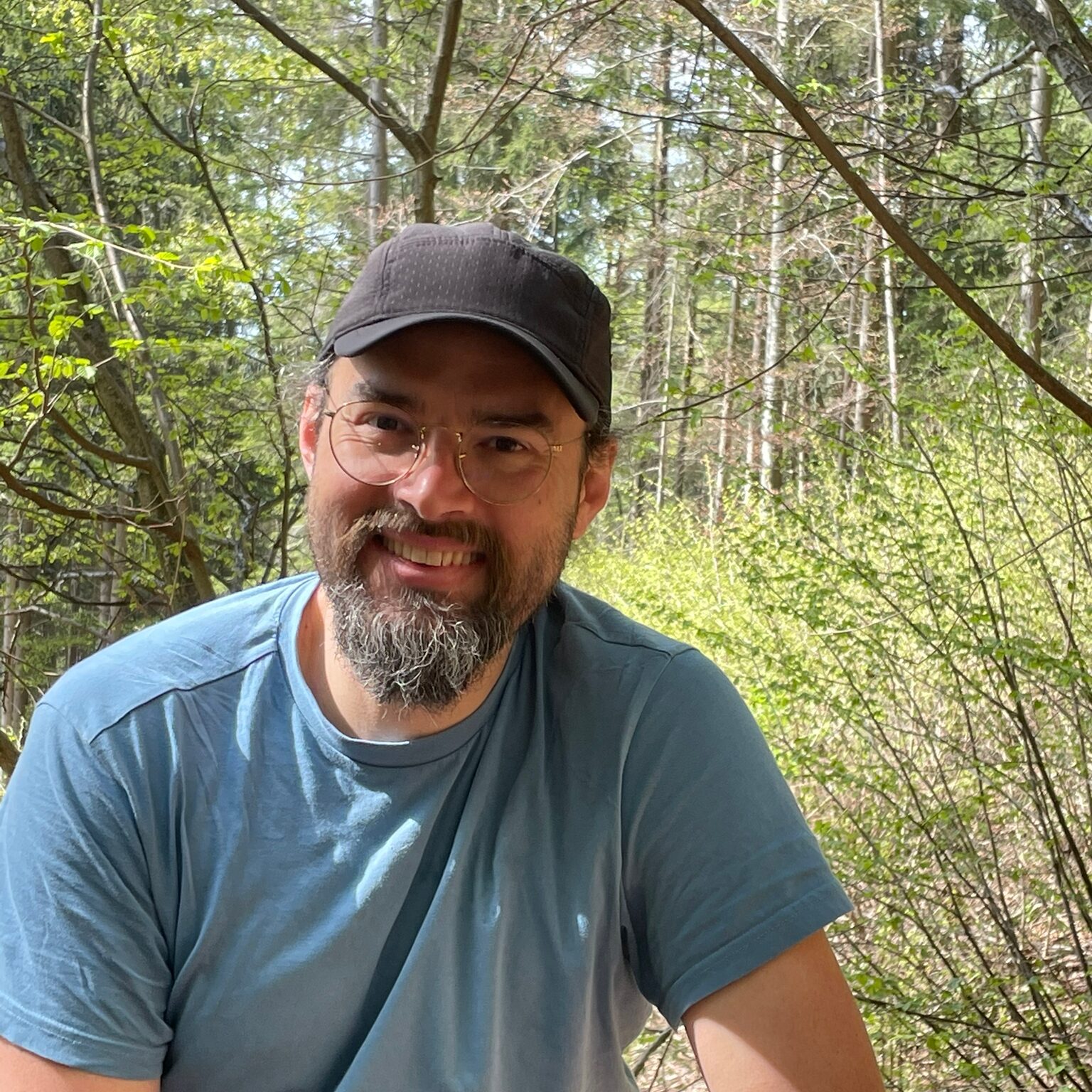
Prof. Guilherme Maia de Oliveira Wood is a psychologist and professor of Neuropsychology and Neuroimaging at the University of Graz. He researches neuropsychological rehabilitation, focusing on tools that promote neuroplasticity in brain-injured patients. His work integrates brain-computer interfaces, digital technologies, and virtual reality, and examines the societal, ethical, and legal dimensions of neurotechnologies. He also advocates for higher standards in psychological research to address the replication crisis and ensure transparent scientific communication. Originally from Brazil, he completed his PhD in Germany and has been based in Austria since 2005.
David Goretzko is a Professor for Psychological Methods (with a Focus on Methods for Psychotherapy Research) at Goethe University Frankfurt, and the founder of the interdisciplinary, inter-institutional Measurement and Machine Learning Lab. He studied physics, psychology, and statistics before completing his PhD in Psychological Methods at LMU Munich. He has since held interim professorships in Computational Modeling in Psychology at LMU Munich and in Psychological Methods at Leipzig University, and served as an assistant professor of Methodology and Statistics at Utrecht University. His research combines machine learning and computational statistics with classical psychometric approaches to advance methodology and measurement in psychology.


Ottavia is a researcher in tenure track at the Department of Psychology and Cognitive Science of the University of Trento and she is a core team member of the Psicostat group. Her main research interests include Item Response Theory and models for latent variables in general.